


Aviation pioneer. Hollywood mogul. Billionaire recluse. Howard Hughes conquered the impossible—setting flight records, revolutionizing cinema, and building an empire—yet remained tragically blind to how his own ambitions were destroying him. His multifaceted genius and profound contradictions demand the full emotional range that only musical theater can provide. TRULY, HOWARD HUGHES is a musical that transforms Hughes' epic triumphs and intimate demons into soaring melodies and raw, honest storytelling. This isn't just Hughes' story. It's a mirror reflecting our own choices and consequences, asking the haunting question: If you could do it over, would you?

TRULY, HOWARD HUGHES…
is an unconventional love story and a reminder that money can never buy (or substitute for) what love can offer. It's about winning—but at what cost? It's about decisions, choices, ideas, and incredible intuition. Through a score reminiscent of the golden age of Broadway, TRULY, HOWARD HUGHES delves into the unique life and times of one of the most fascinating individuals of the 20th Century, a human being who shaped the world of aviation, film, business, and Hollywood gossip: Howard Robard Hughes, Jr.
"I want to be remembered for only one thing: my contribution to aviation."

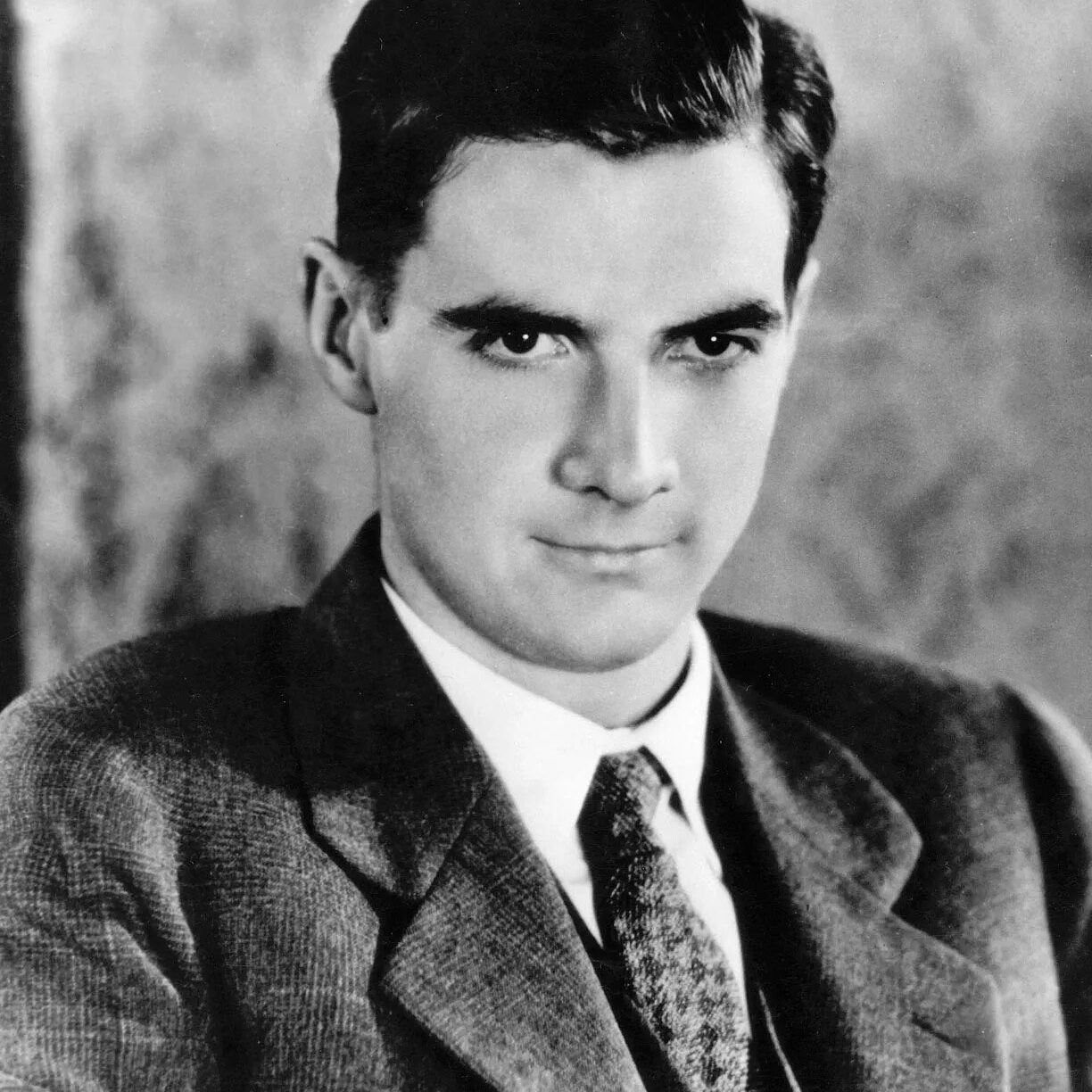
Early Fortune and Hollywood
After both parents died by 1924, Hughes inherited immense wealth from his father's revolutionary oil drilling invention. He dropped out of college to build Hughes Tool Company into a multibillion-dollar empire while simultaneously pursuing filmmaking in Hollywood. His ambitious films pushed boundaries and often lost money, despite earning Academy Award nominations.
AVIATION LEGEND
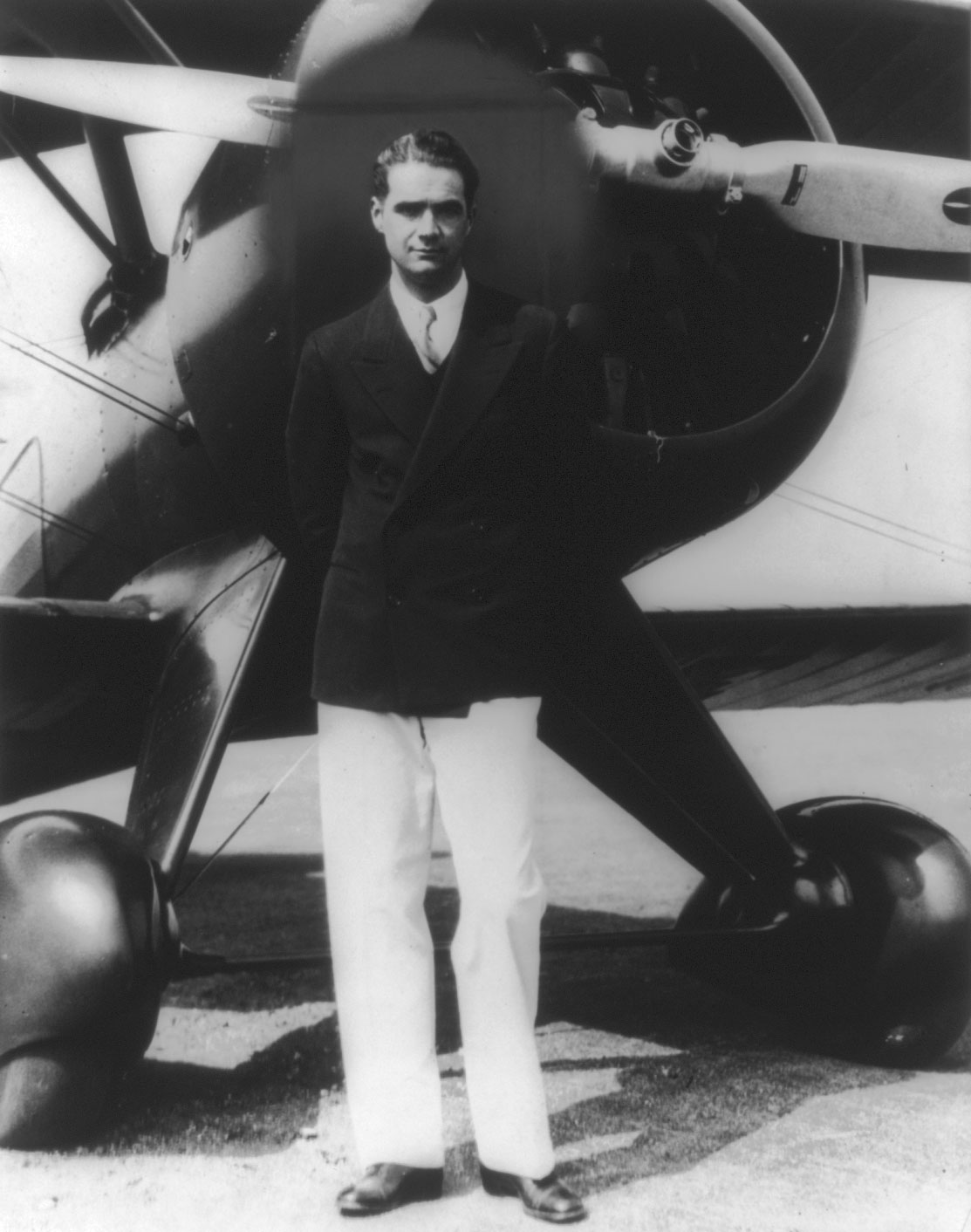
Hughes' true passion was aviation—including aeronautical engineering and aircraft performance. He advanced the art and science of aviation with innovations, and set multiple world records.
- 1935: World landplane speed record of 352.46 mph in his self-designed H-1 Racer
- 1937: Transcontinental flight record of 7 hours, 28 minutes from Los Angeles to Newark
- 1938: Circled the globe in 91 hours with a four-person crew, beating the previous record by nearly four days

THE CRASH THAT CHANGED EVERYTHING
On July 7, 1946, Hughes's experimental XF-11 aircraft crashed in Beverly Hills after hydraulic failure. The crash left him with devastating injuries: crushed bones, a collapsed lung, and severe burns. Following his recovery, Hughes's behavior became increasingly erratic, driven by worsening Obsessive Compulsive Disorder, chronic pain, and an intense fear of germs.
DESCENT INTO ISOLATION
Hughes retreated to hotel penthouses, rarely leaving his rooms and issuing complex instructions for handling everyday objects. His servants had to wrap spoon handles in multiple layers of tissue and cellophane before he would touch them. In his final decade, he worked for days without sleep in blackened rooms, survived on a meager diet while battling codeine addiction, and stopped cutting his fingernails.
PERSONAL LIFE
Hughes's relationships included brief marriages and affairs with Hollywood actresses. He married Ella Botts Rice in 1925 and largely ignored her while pursuing stars like Billie Dove and Jean Harlow. His second marriage to actress Jean Peters (1957-1971) remained shrouded in secrecy. He also had a notable romance with the fiercely independent Katharine Hepburn.
DEATH
When Hughes died in 1976, his body was so emaciated and unrecognizable that he had to be identified by fingerprints: a tragic end to one of history's most paradoxical figures.
More Info About Howard Hughes
1905
Born
Howard Robert Hughes Jr. was born on December 24, 1905 to Howard R. Hughes Sr. and Allena Stone Gano.
Years
Childhood
Howard Robard Hughes Jr. was the only child of Allene Stone Gano (1883–1922) and of Howard R. Hughes Sr. (1869–1924), a successful inventor and businessman from Missouri. At a young age, Hughes Jr. showed interest in science and technology. In particular, he had a great engineering aptitude, and built Houston’s first “wireless” radio transmitter at age 11.
Years
Education
Lorem ipsum dolor sit amet, consectetur adipiscing elit orem ipsum dolor sit.
Years
Career
Lorem ipsum dolor sit amet, consectetur adipiscing elit orem ipsum dolor sit.
Years
Plane Crash
Lorem ipsum dolor sit amet, consectetur adipiscing elit orem ipsum dolor sit.
Years
Movie Director/Producer
Lorem ipsum dolor sit amet, consectetur adipiscing elit orem ipsum dolor sit.
Years
Real Estate
Lorem ipsum dolor sit amet, consectetur adipiscing elit orem ipsum dolor sit.
Years
Aviation
Lorem ipsum dolor sit amet, consectetur adipiscing elit orem ipsum dolor sit.
- UX Design
Years
Airlines
Lorem ipsum dolor sit amet, consectetur adipiscing elit orem ipsum dolor sit.
- UX Design
Years
Howard Hughes Medical Institute
Lorem ipsum dolor sit amet, consectetur adipiscing elit orem ipsum dolor sit.
- UX Design
Years
Marriage
Lorem ipsum dolor sit amet, consectetur adipiscing elit orem ipsum dolor sit.
- UX Design
Years
Watergate
Lorem ipsum dolor sit amet, consectetur adipiscing elit orem ipsum dolor sit.
- UX Design
Years
Mental Decline
Lorem ipsum dolor sit amet, consectetur adipiscing elit orem ipsum dolor sit.
- UX Design
Years
Death
Lorem ipsum dolor sit amet, consectetur adipiscing elit orem ipsum dolor sit.
- UX Design
Past Productions
According to Howard
The York Theater • April 5-13, 2025
PHOTO CREDIT: David Engel